IPTV (Internet Protocol Television) is a system where TV programs are delivered via the internet protocol (IP), rather than traditional methods like terrestrial TV, satellite, or cable. Simply put, IPTV is television via the internet and is a more stable and modern way to watch TV than using the analog network, which no longer exists. Here you will find all the information you need to get started. On this page, we go through what IPTV is and how to get started!
Start by deciding which device you want to use (Mobile, Computer, Smart TV, etc.). Once you’ve decided, click on the device you want to get started with below. You can download any app from App Store, Play Store, or the built-in app library on your device.
Step 2. Read the instructions
Read through the instructions for your device/app CAREFULLY and double-check your spelling when filling in the information you receive in our welcome email! Note that you need to use the login details you receive in the welcome email to log in to your device/app.
Step 3. Log in
Now you should request a free trial or purchase an account from us. We recommend extending with 3 months after your free trial to continue testing at your own pace. When you feel ready, order your free trial/make your purchase here.
IPTV (Internet Protocol Television) works by converting TV channels, movies, and other media content into digital signals and encoding them for delivery over the internet. Unlike traditional TV, where signals are broadcast to all users simultaneously via satellite or cable, IPTV content is sent individually to each user via an IP network. This allows for both live broadcasts and on-demand content, where the viewer can choose what they want to watch at a given time.
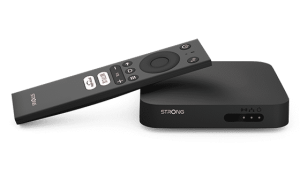
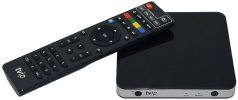
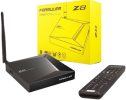
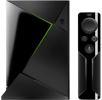
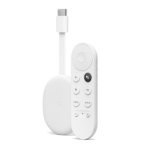
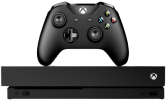
To receive IPTV content, a compatible device is required, such as a smart TV, mobile, tablet, or an IPTV box like TVIP, Formuler, or Nvidia Shield. On these devices, an IPTV app is installed where the user inputs the provider’s M3U link or login details to access the service. The IPTV system supports three main distribution forms:
Live TV – Channels are broadcast in real-time, just like traditional TV, but via the internet.
Video-on-Demand (VOD) – The user selects movies or series from a library and can play them at any time.
Time-shifted TV (Catch-Up TV) – Allows watching programs after they have aired, often up to several days later.
Technically, IPTV uses various protocols and streaming technologies to adapt the picture quality based on the user’s internet connection. The most common standards are HTTP Live Streaming (HLS) and MPEG-DASH, which divide the video into small segments and deliver them in real-time to optimize performance. Since IPTV is delivered via the internet, a stable and sufficiently fast connection is required – at least 10 Mbps for HD streaming and 25 Mbps for 4K content – to ensure smooth playback without interruptions.
In summary, IPTV works by sending digital content via an IP network directly to the user’s device, where it is decoded and played in real-time or on-demand. This allows for a more flexible consumption of TV content compared to traditional broadcast methods.
Advantages
IPTV offers a range of advantages compared to traditional cable and satellite TV, making it an attractive choice for many viewers. One of the biggest advantages is flexibility – since IPTV is broadcast over the internet, you can watch content whenever and wherever you want, as long as you have a stable connection. You are no longer tied to fixed broadcast times, but can easily pause, rewind, or record programs depending on the service you use.
Another major advantage is the wide range of content. IPTV providers often offer thousands of channels from around the world, as well as an extensive library of movies and series via video-on-demand (VOD). This gives users access to a more varied and customizable selection than traditional TV.
Picture and sound quality are also crucial factors. IPTV often supports HD and 4K resolution, providing a sharper picture and better sound than many cable and satellite channels. Thanks to modern streaming technology, the quality can also be automatically adjusted based on your internet connection to minimize buffering.
Since IPTV is delivered via the internet, no physical installation of dishes or cables is needed, making it easy to get started. All you need is an internet connection and a compatible device, such as a smart TV, mobile, tablet, or IPTV box.
Overall, IPTV allows you to customize your TV experience in a way that traditional TV cannot offer. With greater freedom, better quality, and a wider range of content, IPTV has become a popular alternative for those who want a more modern and flexible entertainment solution.
How to get IPTV?
It’s easier than many think! Buying IPTV from us at Svensk IPTV is simple and smooth. Follow these steps to get started:
Choose your package: We offer different IPTV subscriptions depending on your needs. Visit our website to see our packages and choose the one that suits you best, whether you’re looking for a large channel selection, movies, series, or sports.
Order and pay: Once you have chosen your package, proceed to the order page where you can pay securely and anonymously. We accept both card payments and cryptocurrencies for maximum security and privacy.
Receive your details: After you have completed your order, we will send your login details and instructions directly to your email. You will receive an M3U link or login details (username, password, and portal URL).
Get started watching: Download one of our recommended IPTV apps to your smart TV, set-top box, computer, mobile, or tablet. Add your M3U link or log in with your details, and start enjoying our wide range of channels, movies, and series.
With Svensk IPTV you get a stable and reliable IPTV service with fast support and access to the best content, wherever and whenever you want.
Choose one of our IPTV subscriptions on the website based on your needs. Pay securely with card or crypto.
After payment, you will receive login details and instructions via email.
Use these to add an M3U link or log in via your device – smart TV, set-top box, mobile, or computer.
Then you can immediately start enjoying our wide range of channels, movies, and series. With IPTV King, you get a stable service and fast support.
At Svensk IPTV we offer a comprehensive range of IPTV services with thousands of channels from around the world, including European and international sports channels, movies, and series. Our service is available on multiple devices such as smart TVs, computers, mobile phones, and set-top boxes. We offer flexible subscriptions, anonymous and secure payment, and fast support. Whatever you want to watch, you can expect a stable and high-quality streaming experience with us.